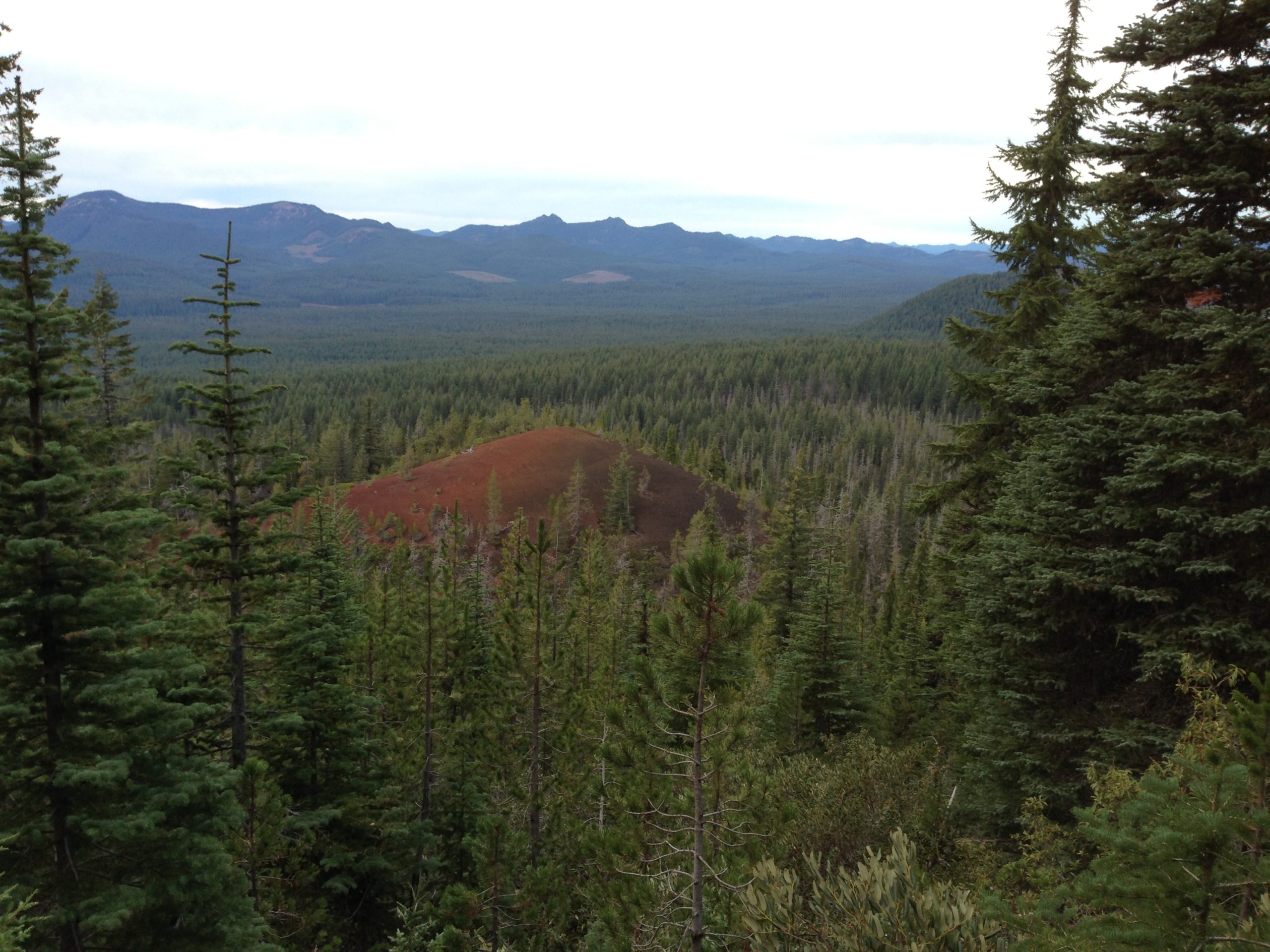
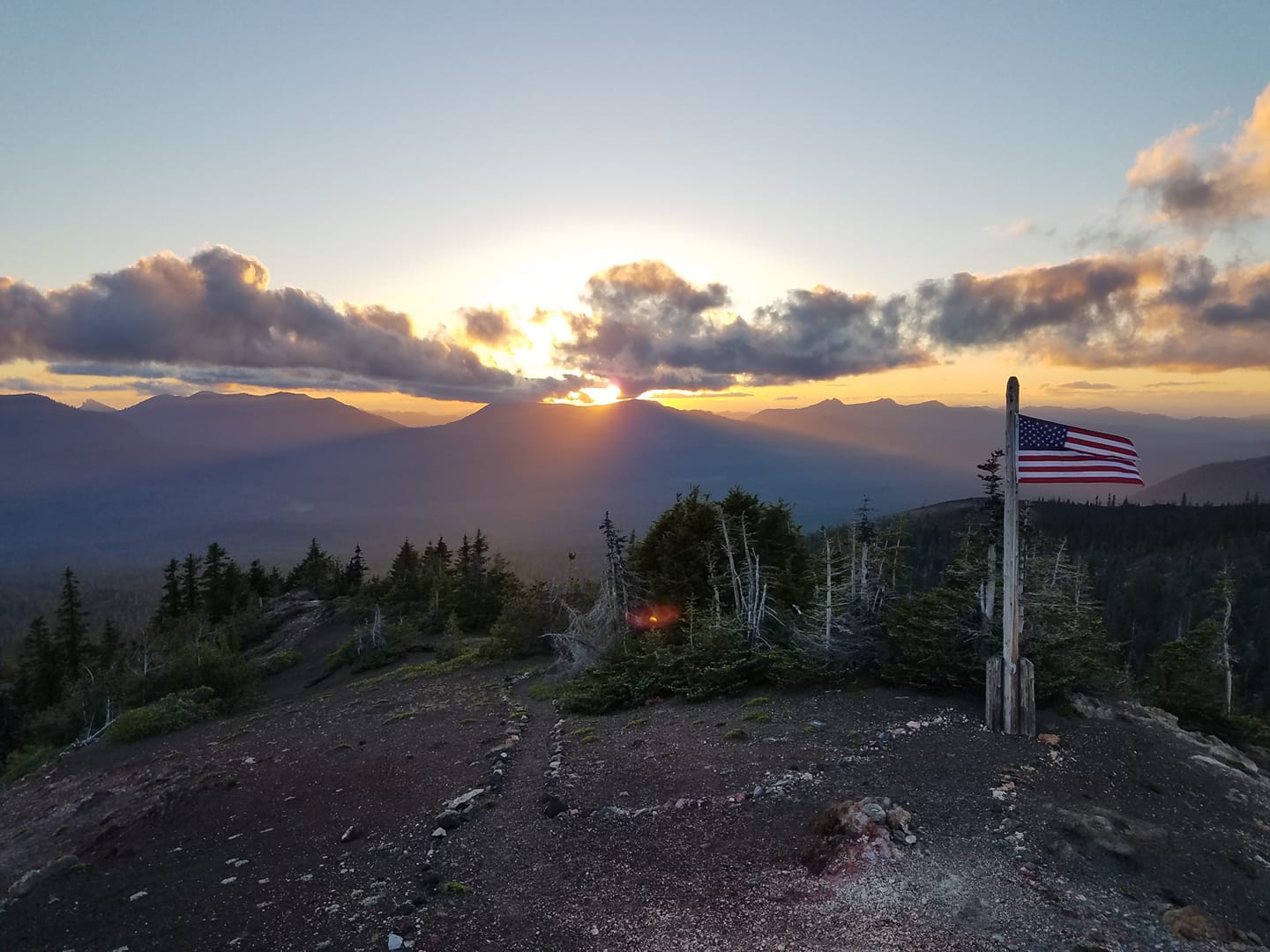
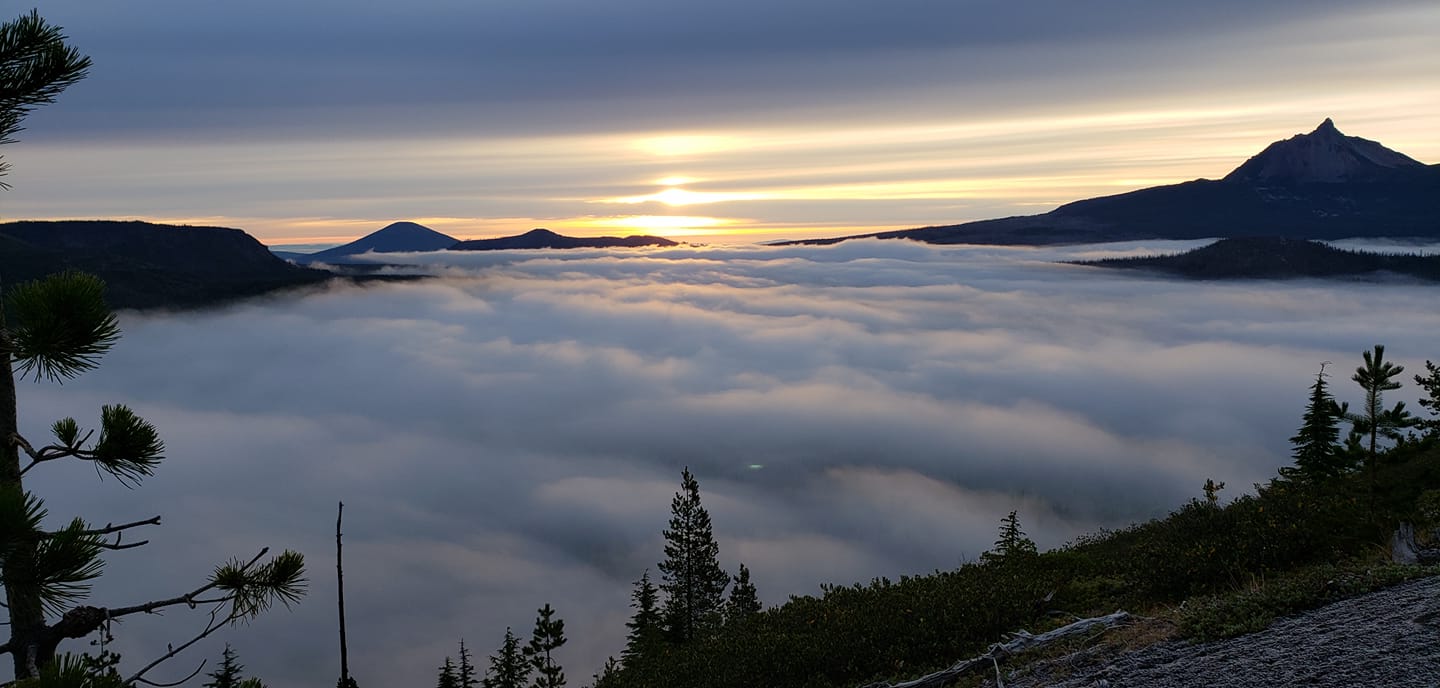
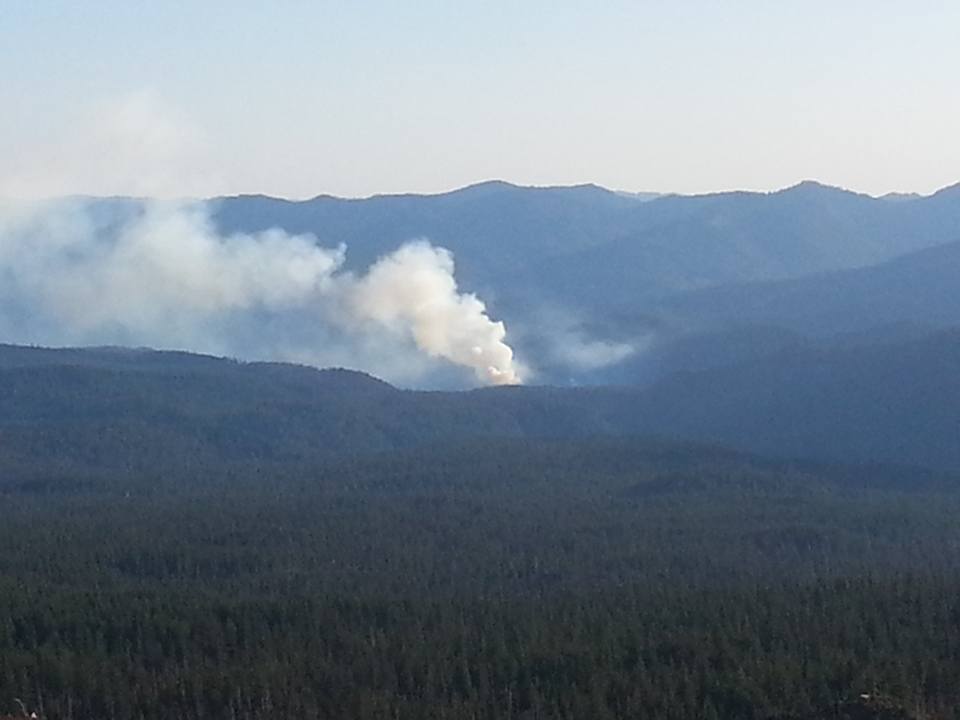
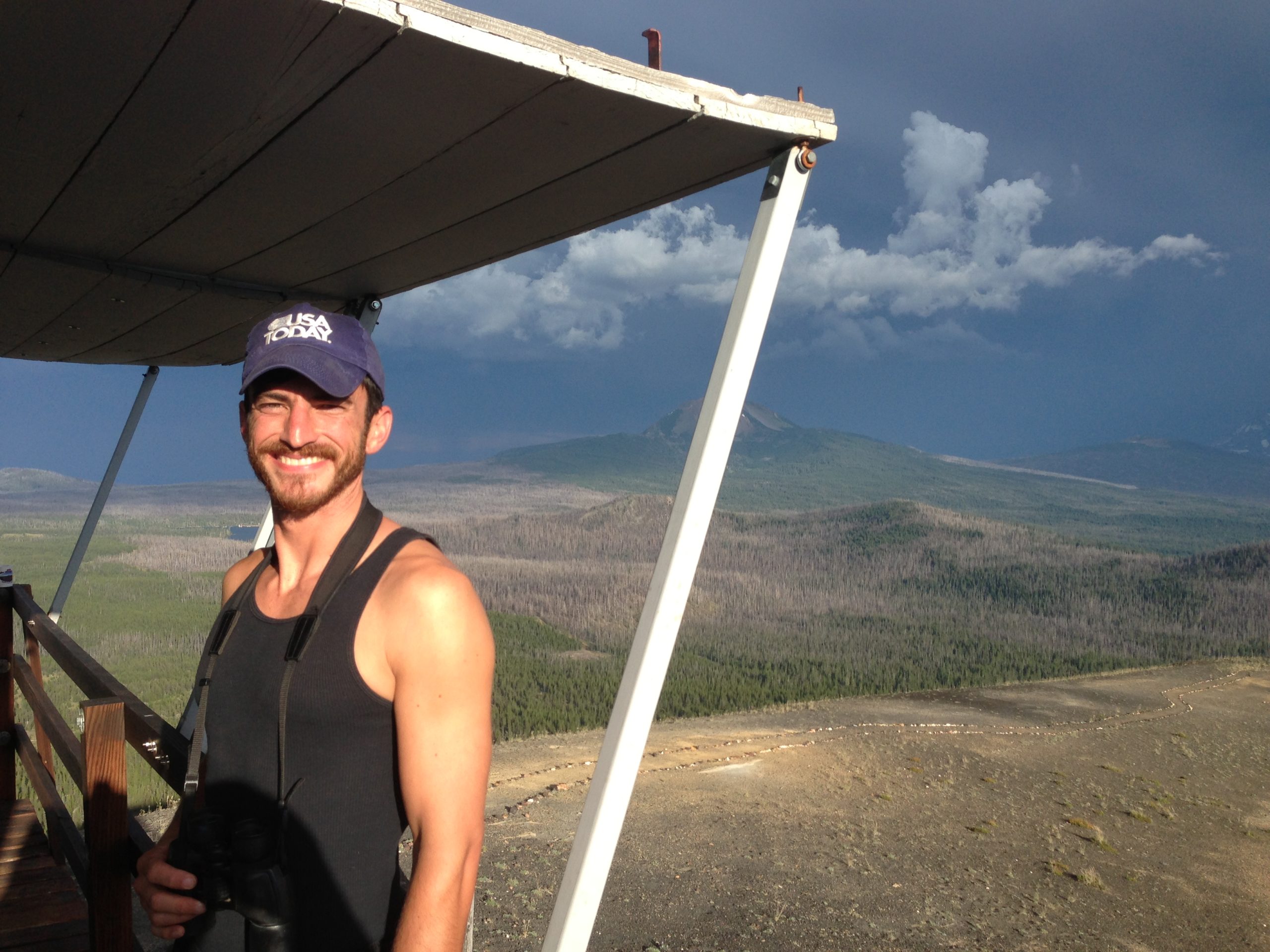
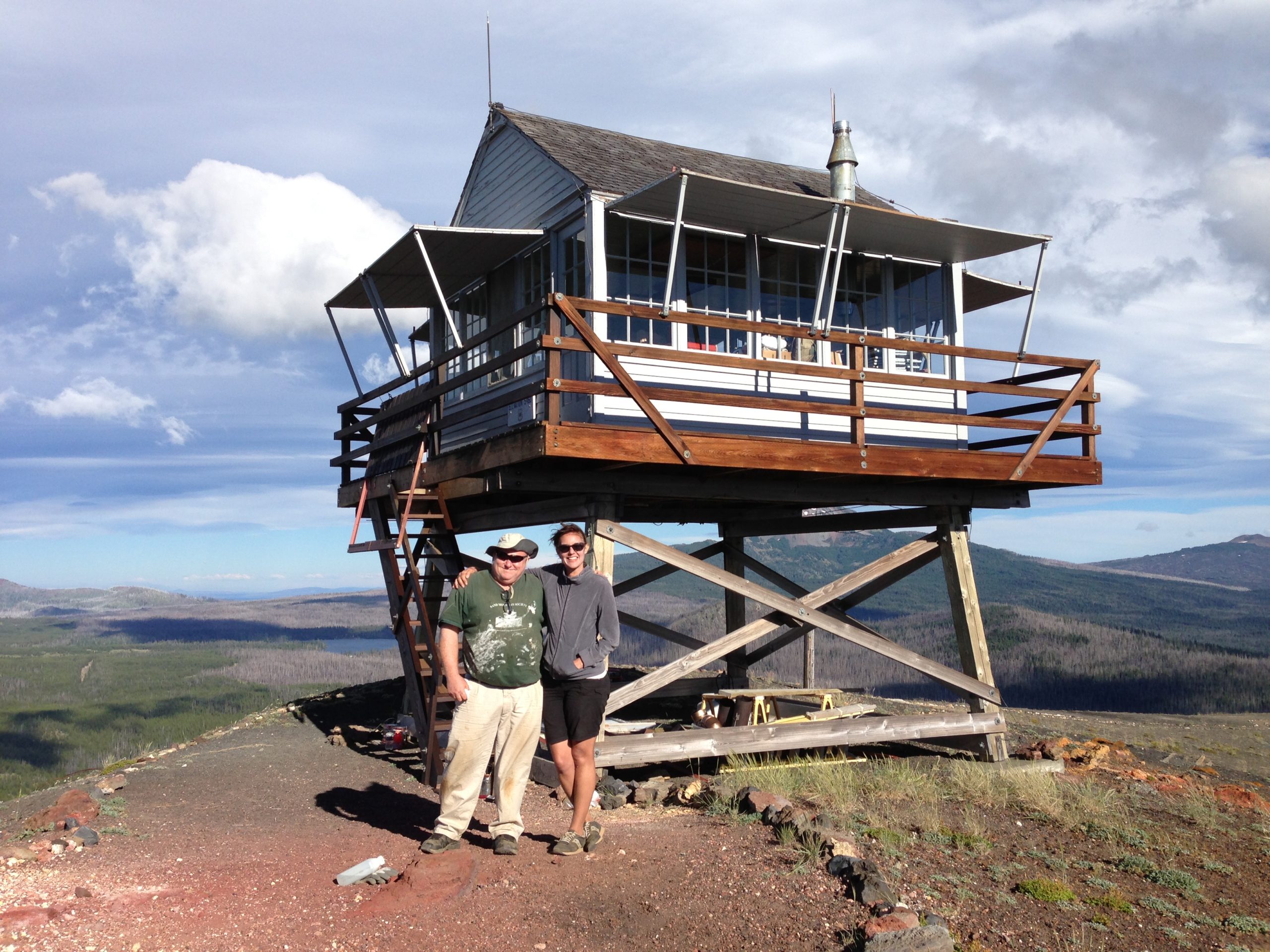
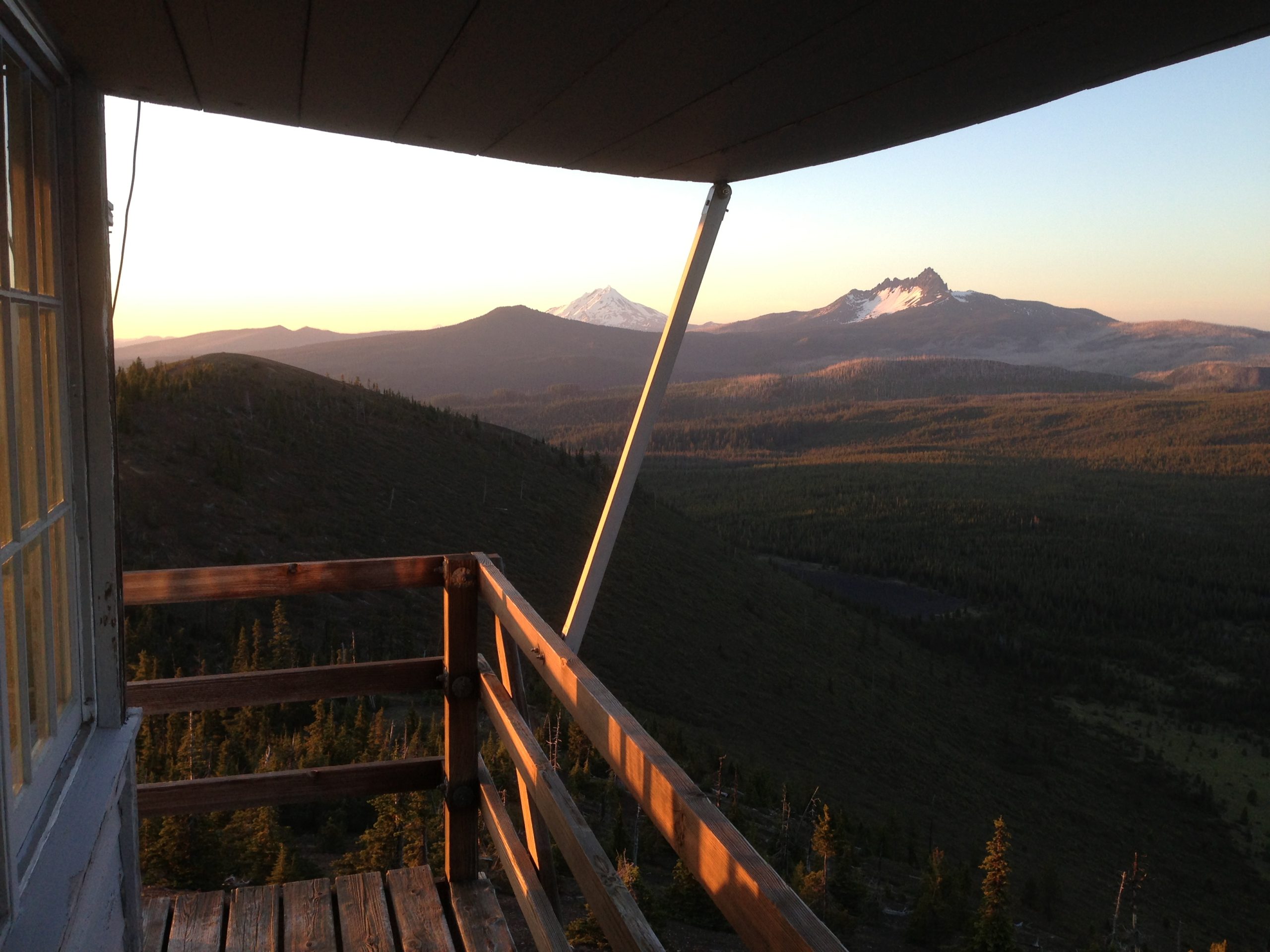
Sand Mountain was the inspiration behind all of our subsequent fire lookout restoration projects, and this lookout remains our most imaginative, most celebrated, and institutionally most important project to date. Originally conceived in 1988 to address impacts from off-road vehicles in the newly designated Sand Mountain Geologic Special Interest Area, the relocated lookout serves four primary purposes: reporting forest fires; preserving a tangible link to the area’s pioneer and Forest Service history; monitoring and protecting resources within the Geologic Special Interest Area; and providing interpretive services that help visitors appreciate the area’s scenic, historic, and geologic significance.
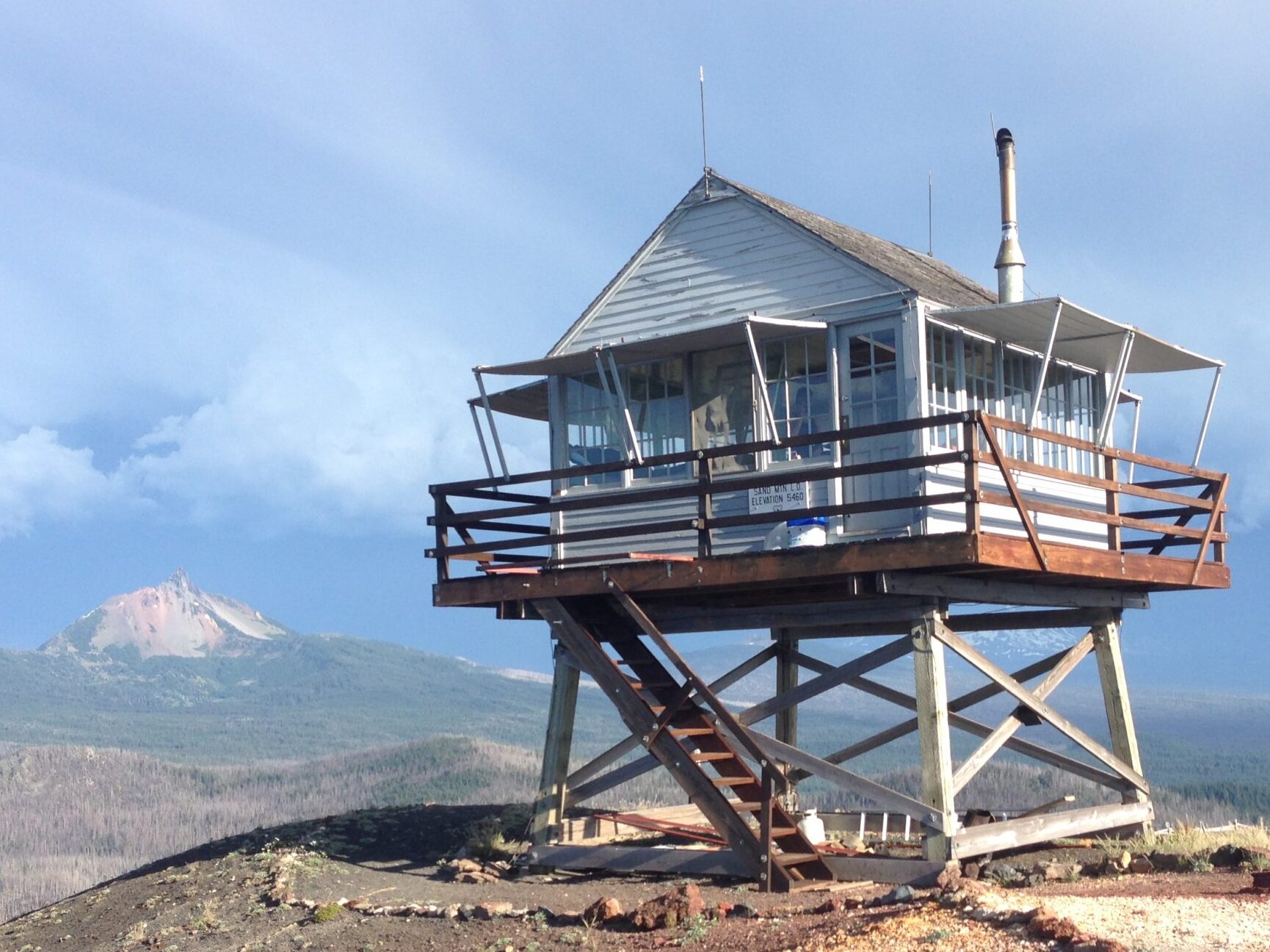
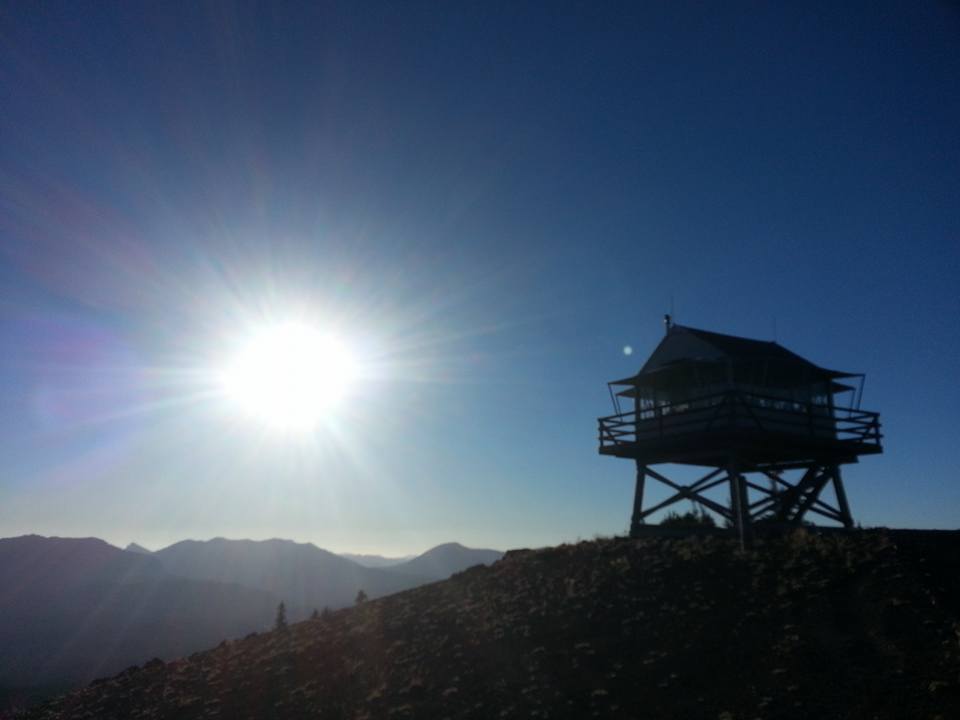
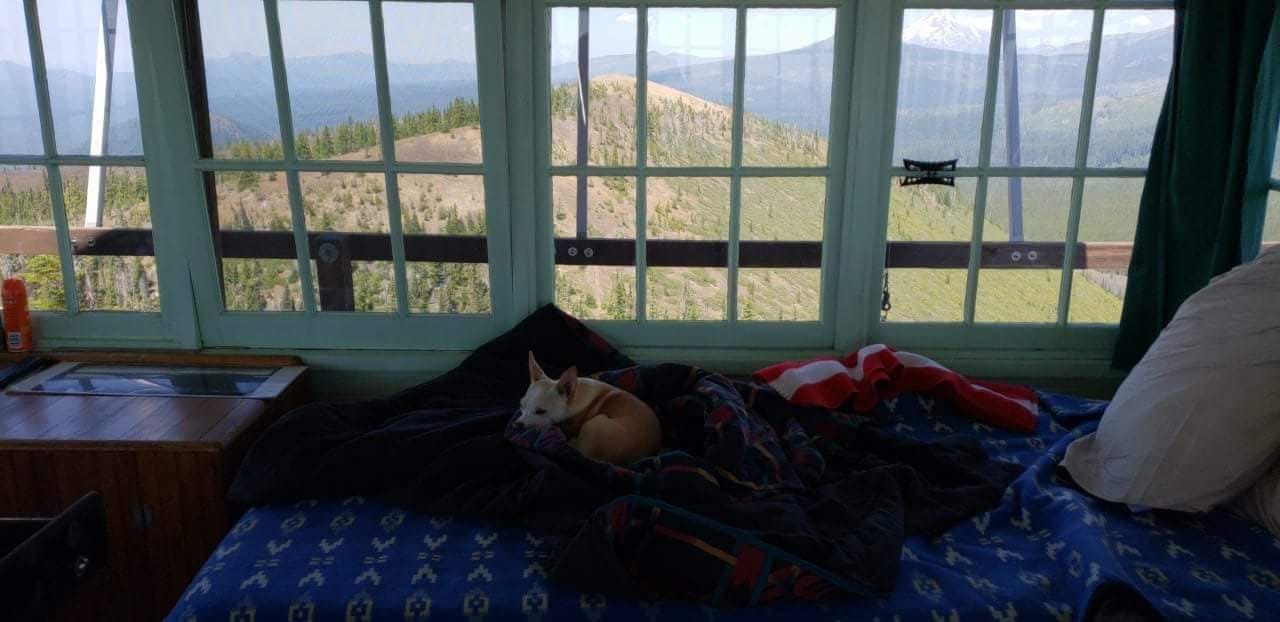
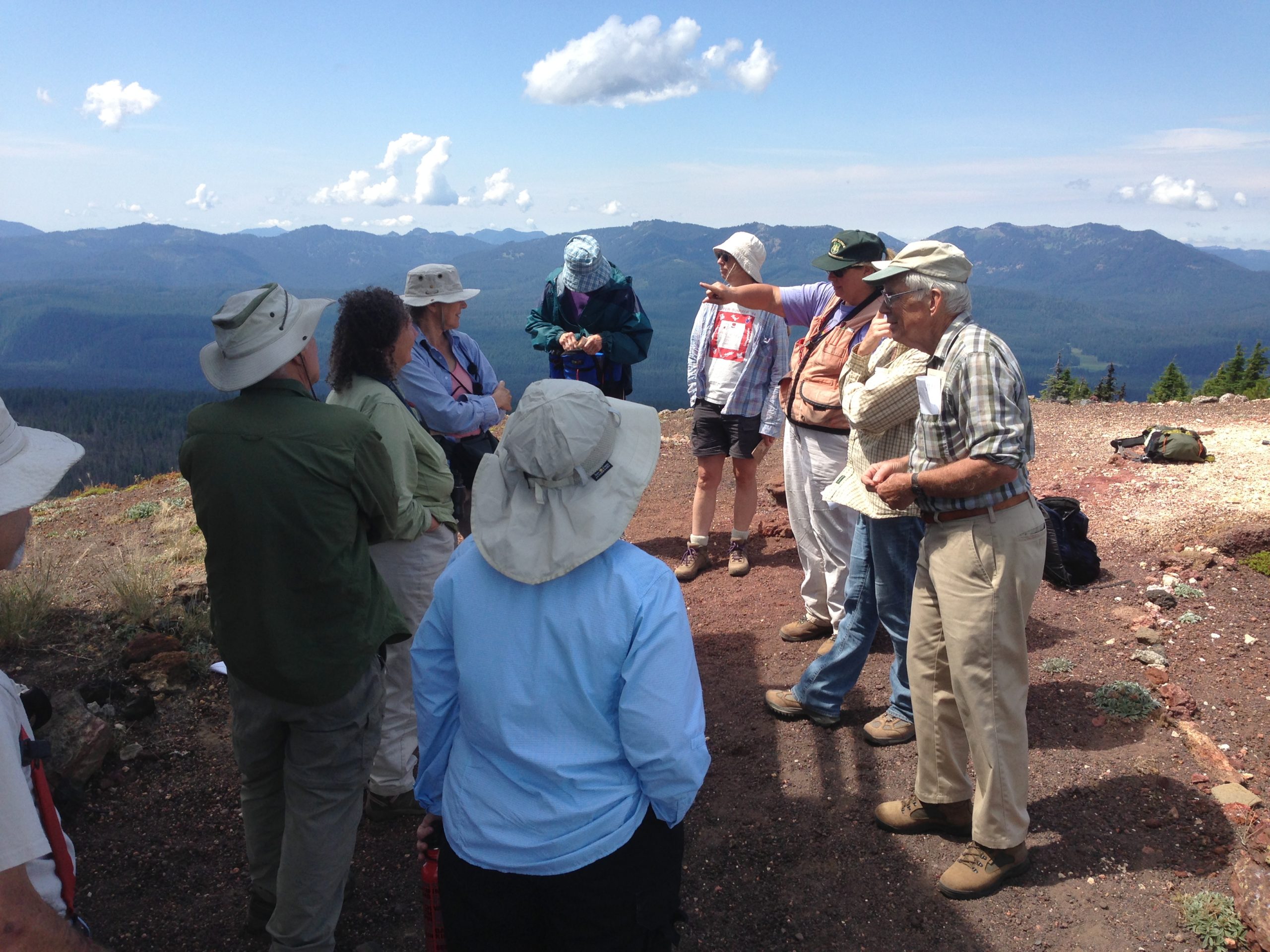
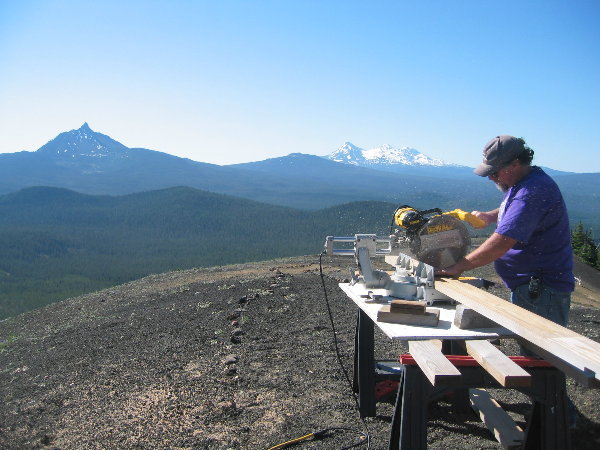
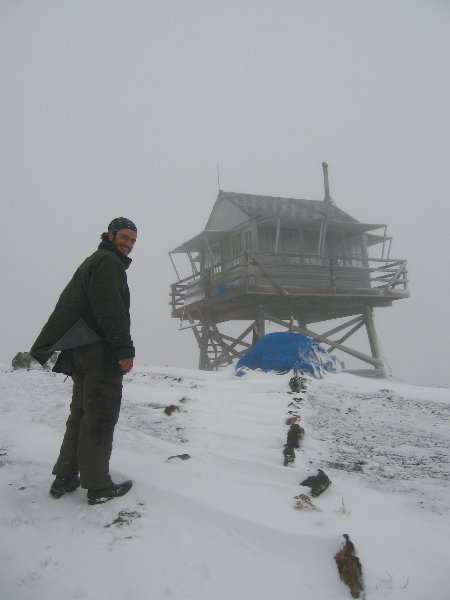
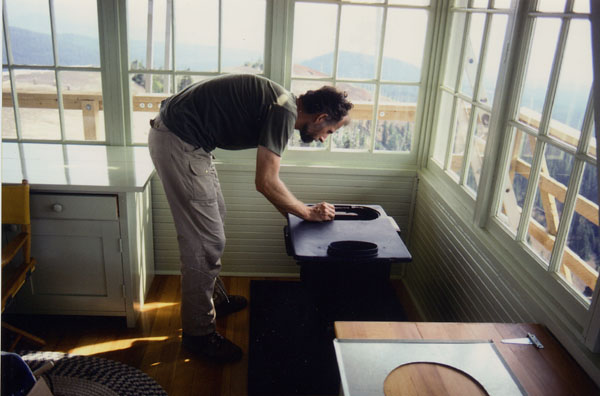
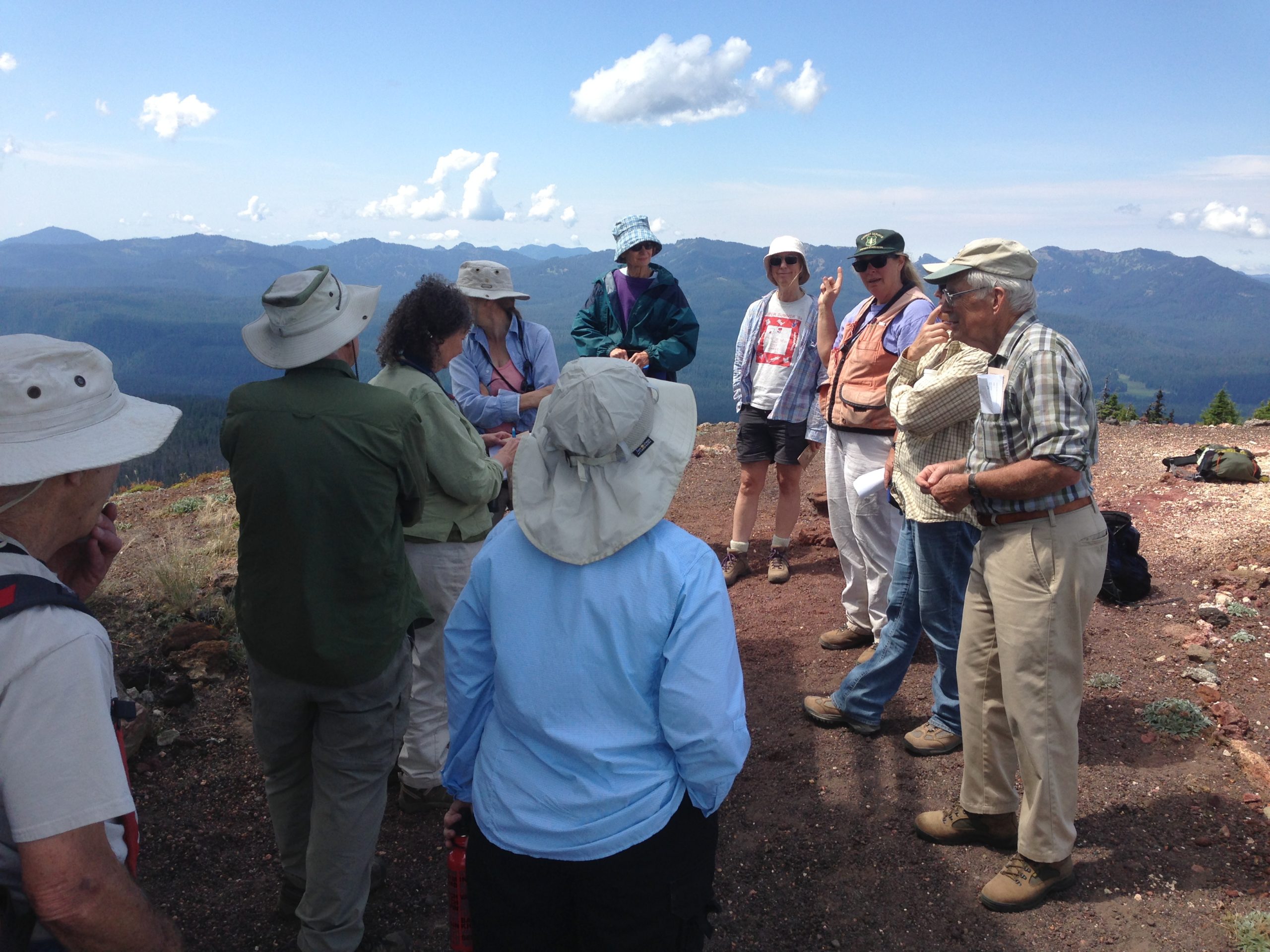
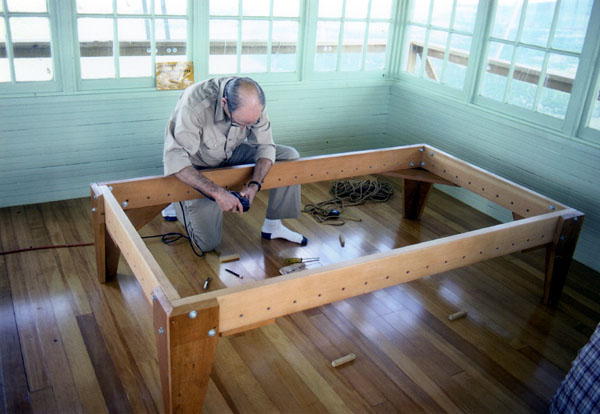
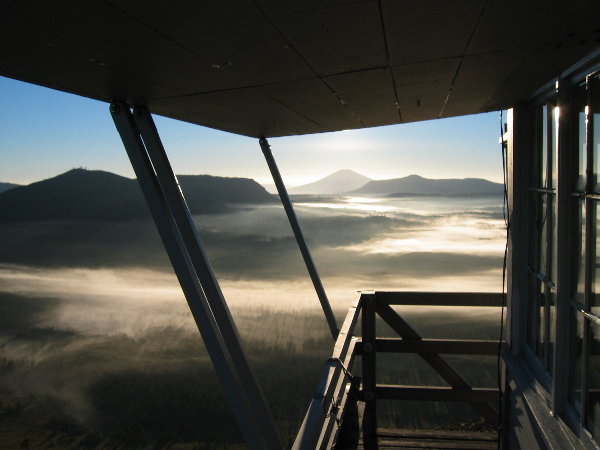
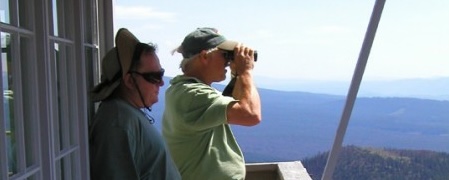
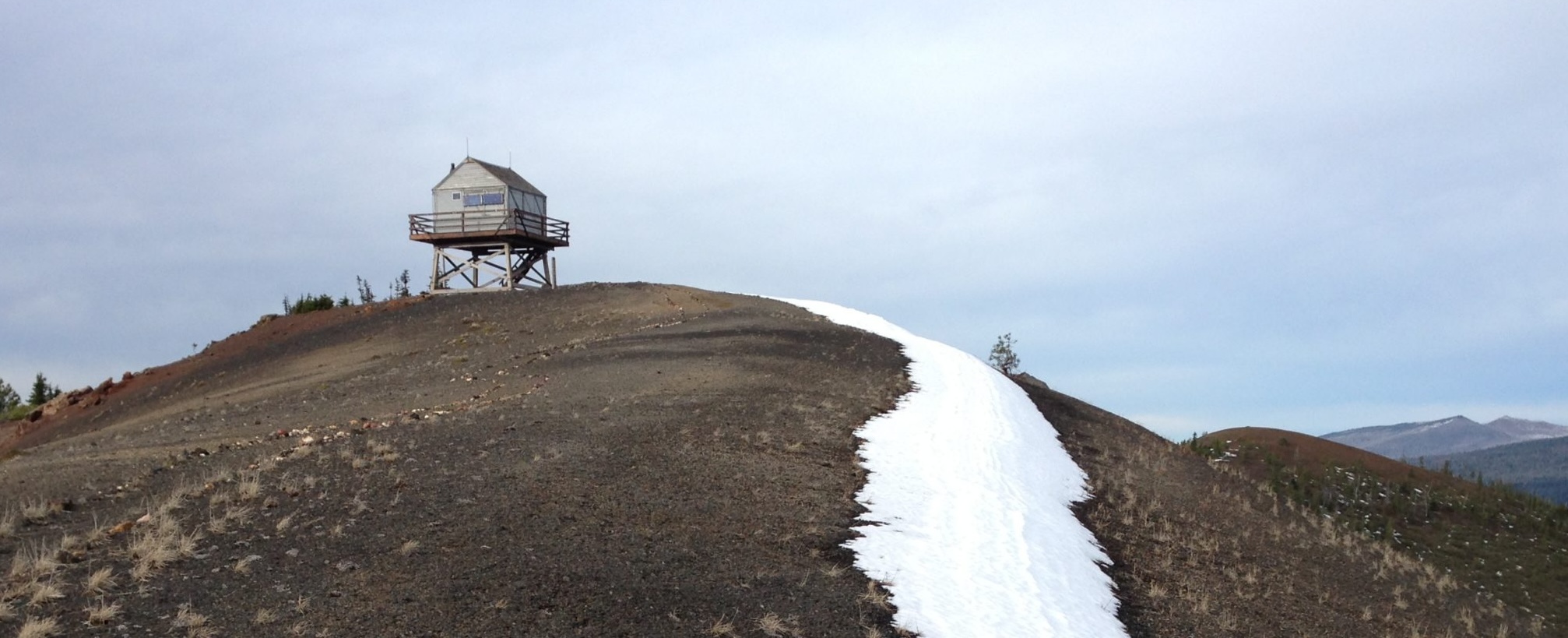
Sand Mountain Lookout and its mission of conservation has garnered positive attention over the years, having been covered in numerous publications, including the Eugene Register-Guard, Oregonian, Sunset Magazine, and Northwest Living, among others.
| Quick Facts | Sand Mountain Lookout |
|---|---|
| Agency | Willamette National Forest |
| District | McKenzie River Ranger District |
| Elevation | 5,460’ (1,664 m.) |
| Year Built | Moved from Whisky Peak and re-constructed 1989. |
| Style | Grange hall L-4 (1930) |
| Major SMS Work Efforts | 1989-present |
| Season | Late June – mid October |
| Location | 44.384640° N, 121.927922° W |
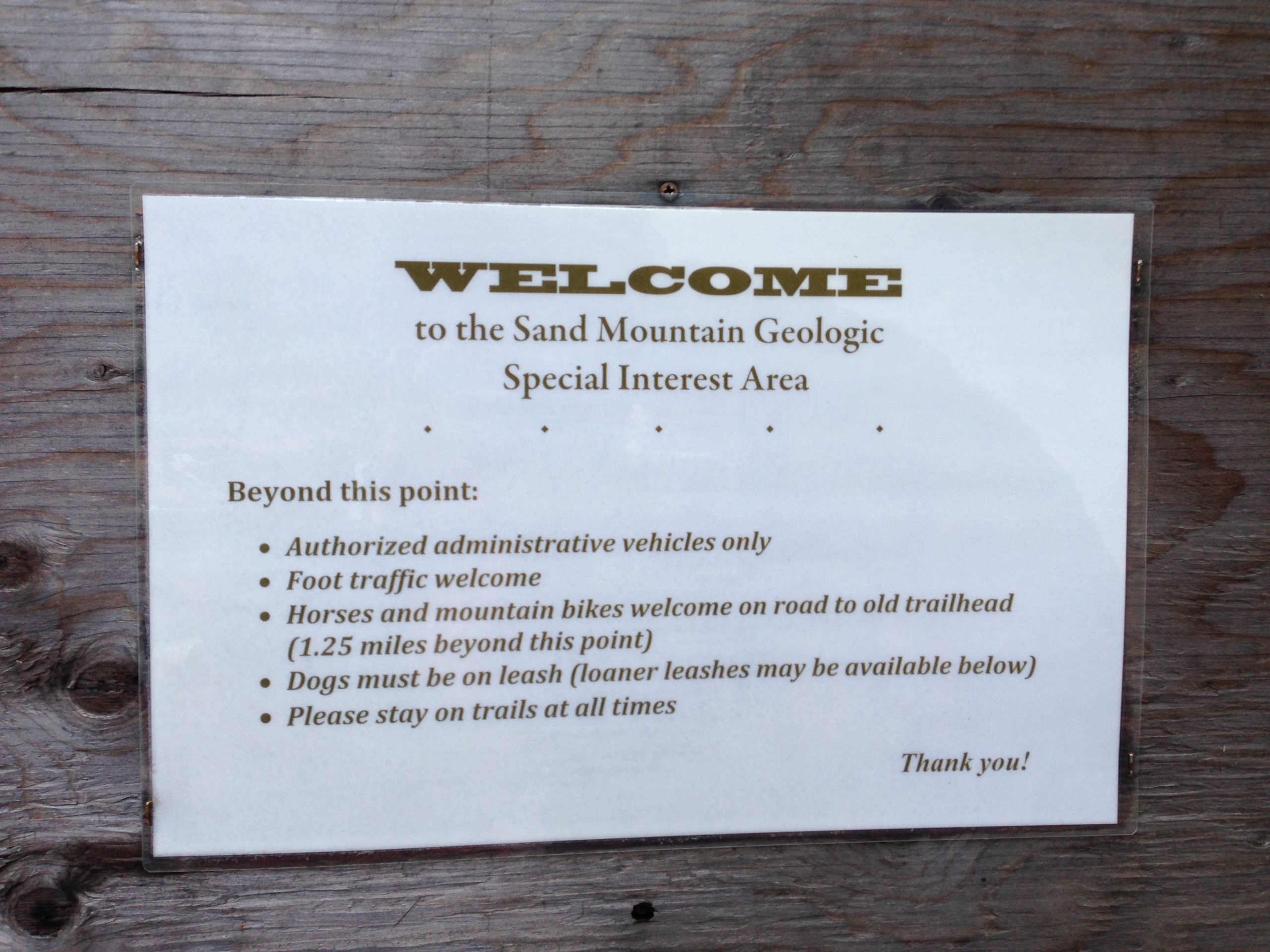
| Access | Via the Old Santiam Wagon Road (FS #810). As of 2025, this road was in very bad shape due to aggressive driving of off-highway vehicles. High clearance vehicles are recommended. The spur road to the lookout is gated 1.25 miles from the lookout. |
| Additional Notes | The fire lookout is staffed during the summer field season. |
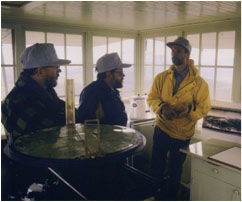
The late, great Doug Newman (1947-1992), a weekly outdoor columnist with the Eugene Register-Guard and author of a number of books, took a particular interest in Sand Mountain. Doug recognized Sand Mountain and the work of the SMS for inspiring him to devote the last three years of his life to the preservation of fire lookouts. Doug was the co-founder of the Forest Fire Lookout Association, an organization dedicated to promoting the preservation of fire lookouts around the globe.
Below right: Doug Newman attends the dedication ceremony of the new “old” Sand Mountain Lookout in 1990 with friends Gary McAtee (left) and Bill Joy (right).
Sand Mountain Lookout’s long history of outstanding service
Sand Mountain is one of the oldest lookout sites on the Willamette National Forest. It was first used as a primary fire detection outpost in the early 1920s. Back then, the summit of the south peak of Sand Mountain was accessed by a 2-mile hiking trail from the Santiam Wagon Road, and the “lookout” consisted of a wooden pole with a firefinder on top of it… both the firefinder and the staffer were fully exposed to the elements. Early photos show the staffer wearing a very large hat to protect himself from the blazing sun, for there was no other cover.
A living quarters is said to have been established on a natural bench about 1/4 mile below the summit, and although no photos of this building have been discovered, a piece of furniture that appears to have been salvaged from that building is still owned by the local Ranger District. That piece of furniture is not suitable for a fire lookout as it is a tall cabinet that would have impeded the view, and yet it has “Sand Mountain” written across the back of it. This item is believed to have been salvaged from the living quarters below the summit (which would have become redundant after the “Grange hall-style” L-4 was constructed in 1933).
In 1933, a road was punched to the saddle between the two largest craters in the Sand Mountain Volcanic Alignment, and a “Grange hall-style” L-4 lookout cabin was constructed atop the south peak. That lookout remarkably survived the Big Lake Airstrip Fire of 1967 which swept over the top of Sand Mountain.
Ironically, after surviving the 1967 blaze, the lookout burned down accidentally the following season on a cold and foggy night while the staffer was away in Sisters to do laundry.
In spite of the fact that the Forest Service was abandoning and even intentionally burning many fixed lookouts in those days (relocating the majority of fire detection functions to aerial patrols), the District still set up a trailer with a pop-up cupola in place of the lost Sand Mountain Lookout and staffed the makeshift quarters for another two years. This suggests the very high value of Sand Mountain as a fire detection outpost. Even after the trailer was removed, patrols would drive to the top of the peak to make check looks during lightning storms and periods of high fire danger.
In the aftermath of the Big Lake Airstrip Fire, much of Santiam Pass was opened-up to salvage logging. These logging roads combined with firelines to provide new arterials into previously roadless areas in Santiam Pass. This was followed by twenty years of intense firewood cutting, which generated new, often random travelways through meadows that were recovering after the fire. The open terrain became a magnet for off-road vehicles that began proliferating in the early 1970s. These early dirt bikes were drawn to the steep volcanic slopes and ash deposits at Sand Mountain. With the advent of three-wheelers and the quad cycles, the effects spread as the use of those vehicles grew.
This use had clear adverse effects on the land. The Santiam Wagon Road — a very important heritage resource — was also severely adversely effected. The SMS was formed in 1987 in response to these issues.
The USDA Forest Service agreed that action needed to be taken to protect the resources, and with the support of Ranger Randy Dunbar, the Sand Mountain Geologic Special Interest Area (SMGSIA) was formed. Cross-country travel within the SMGSIA was now prohibited, at least on paper, but early measures proved completely ineffective. Boulders placed by the Forest Service to prevent access to fragile areas were winched aside in defiance.
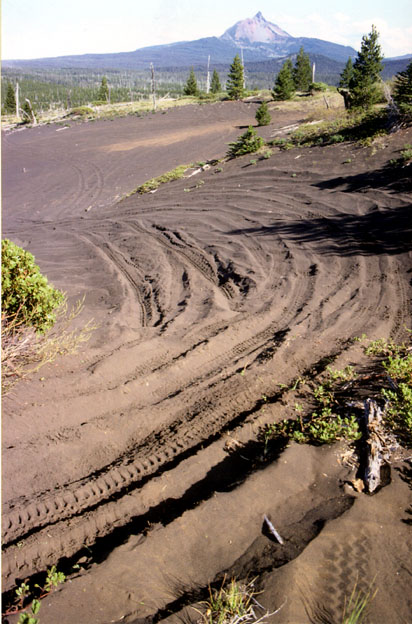
At left, the effects of snowmobiles going off snow results in mass-wasting of soils at North Sand Mountain.
It was thought that one good way to support the new USFS prohibitions on off-road travel would be to restore a fire lookout to the summit of the tallest crater to provide an agency/volunteer presence. District Ranger Dunbar agreed. This was the impetus behind the movement to re-build the lookout. Such a structure might also represent the site’s rich Forest Service history.
During the winter of 1988, a search was conducted by the SMS for an abandoned lookout elsewhere in the Pacific Northwest Region that could be relocated to Sand Mountain. This was done in part to save money on materials, but also to retain the historic value of whatever building might be relocated. Ideally, the SMS was looking for a “Grange hall-style” L-4 model lookout building, to match what was originally built at Sand Mountain. An identical match in design and vintage was found at Whisky Peak on the Rogue River National Forest.
Whisky Peak’s lookout cabin was in a state of disrepair, having been abandoned at that point for about 15 years. The long-abandoned lookout was becoming a hazard to the public, and was likely to be burned soon for lack of a better alternative, but the SMS offered a far preferable option: relocation and restoration at Sand Mountain.
Sand Mountain was a model partnership with Region-wide participation
Sand Mountain reflects the blending of historic fabric and donated lumber from other Forests
In addition to the material salvaged from Whisky Peak, numerous other Forests contributed to the project in major ways, including but not limited to the Siskiyou, Deschutes, Mt. Baker-Snoqualmie, and Umpqua National Forests. The McKenzie Ranger District also chipped-in funds for new material to supplement. Sand Mountain was a real team effort… and it remains so today!
News & Links
- Wikipedia, “Sand Mountain Volcanic Field.”
- Steven Michael, “Sand Mountain, Oregon,” Oregon-Like No Other, Jan. 25, 2014.
- “Sand Mountain Lookout” , Statesman-Journal.com.
- Ian McCluskey, “Losing an iconic wildfire lookout tower hits home for an Oregon family,” Oregon Public Broadcasting, Sept. 13, 2021.
- Cheryl Hill, “Sand Mountain,” Cheryl Hill, Every Lookout in Oregon, August 14, 2023.
- David Gillespie, “Fire lookout towers,” PSU Vanguard, Nov. 19, 2018, with photos by Tim Nidever.